
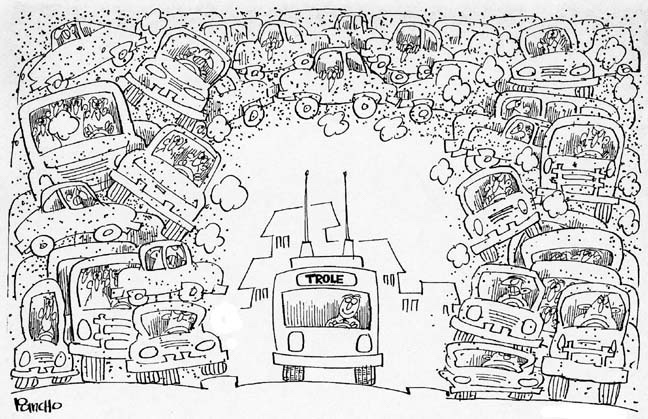
The most dangerous part of our trip has been crossing the street in Quito. A few close calls for both kids have taught us drivers don’t only neglect using their turn signals, but many also consider traffic lights to be merely a suggestion. Good thing I played a lot of Frogger growing up.
According to a 2014 report, Ecuador averaged 13 deaths and 152 injuries per day due to moving vehicles. The study notes only 5% of those injuries are due to acts of God, weather (no snow here), or mechanical problems, with by far the largest category being incompetence and recklessness at 62% of mishaps. So basically, expect the unexpected. The Ecuadorian rate of traffic-related fatalities is roughly double that of the United States by one measure (20.1 deaths per 100,000 people in Ecuador versus 10.1 in the U.S.), but this may be skewed a bit with reduced car ownership rates here. The promising news is the number of deaths due to car accidents have reduced sharply for Ecuador since the previous report in 2007, where the rate was 33 deaths per 100,000 people. Venezuela has consisted ranked first in South America (or last, depending on how you look at it) in this statistic with 35 per capita. (In case you needed another reason not to visit this country.)
One factor likely contributing to this improvement is the development of a robust mass transit system within Quito over the last 20 years. When it became operational in 1995, Quito’s “Trolebús” was only the second system in the world (behind São Paulo, Brazil) to utilize articulated trolleybuses for city transport. With an electric motor as the prime mover and auxiliary diesel engine, the original Trole was also intended to reduce direct emissions for transportation in Quito. Ecuador has been growing the renewable portion of its energy portfolio in parallel, with 58% of electricity consumption derived from hydropower in 2016 and another 780 megawatts slated to come online by the end of this year.
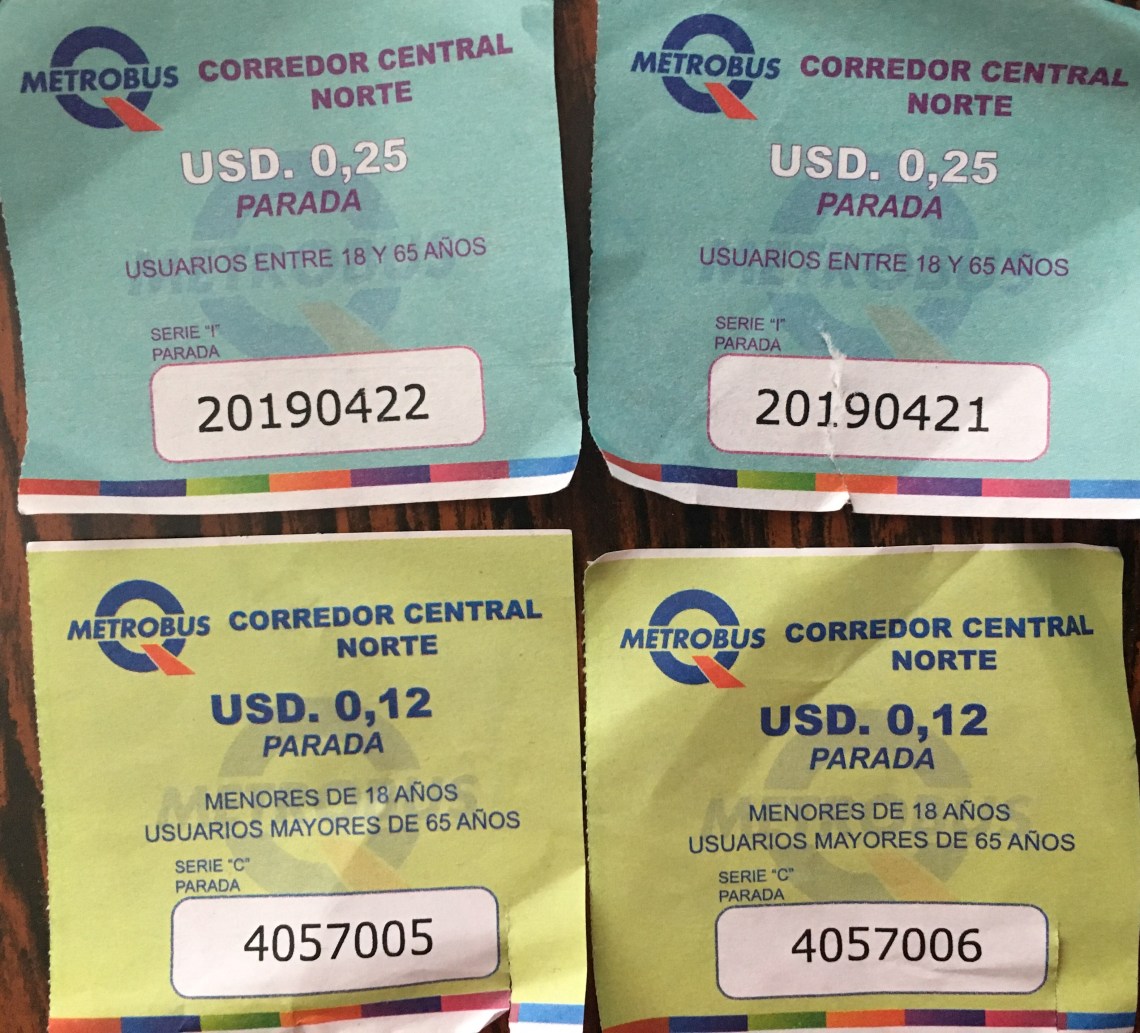
Since development of the Trolebus, two more thoroughfare bus lines emerged running parallel through Quito: Ecovia and the Metrobus. Both systems operate in (mostly) car-free lanes with dedicated stations running north-south across the city. However, all of these buses run solely on diesel with no developed electric trolley infrastructure in place, which I believe is one of the drawbacks of privatizing mass transit when explicit social goals are not required as part of operations. With Quito at an elevation of 2,850 meters (9,350 feet), there is 27% less oxygen compared to sea level, which leads to incomplete combustion of high-sulfur fuels for these buses and thick, black smoke billowing from all exhaust pipes.
Another mass transit milestone is Quito’s new underground rail transport system, the Metro de Quito, which is due for completion in 2019. The new subway system, which will cost an estimated $2 billion (financed by the World Bank), is viewed as a major economic development and employment effort for the city and will transport some 400,000 passengers daily. This system will enable residents to travel between northern and southern Quito in approximately one-half hour instead of the typical 60-75 minutes currently. Although there are some potential drawbacks to continued development for mass transit across the city, this subway is largely viewed as a positive step for a population on track to hit 2 million residents in the coming years.
Although dodging vehicles and choking down plumes of exhaust have surely added to the “novelty” of our experience here in Ecuador, I’m excited to learn about these positive changes being made to accommodate safer and more environmentally friendly ways to traverse the city. The roads beyond Quito present their fair share of additional challenges (steeply winding hills, long distances, and landslides to name a few), but already possess a surprisingly good bus system to accommodate. Which keeps gringoes like us — and perhaps all drivers here in Ecuador — marginally safer since we’re not renting cars to tempt fate on the crazy roads across this country.

 Perrin Family Adventures
Tim,
Venezuela has never been on my list and now I’m sure it will remain off of it.
Keep hold of your boys hands when your near those crazy drivers and get home safe.
Traffic on HH is the worst I’ve seen it in my 35 years of visiting here.
It seems to be a combination of Easter break, Spring break and the up coming golf tournament.
Hopefully it will calm down by the time you guys get here.
Stay safe and look forward to seeing you all soon.
Buenos Dias, Diego
Sent from my iPad
>
LikeLike